

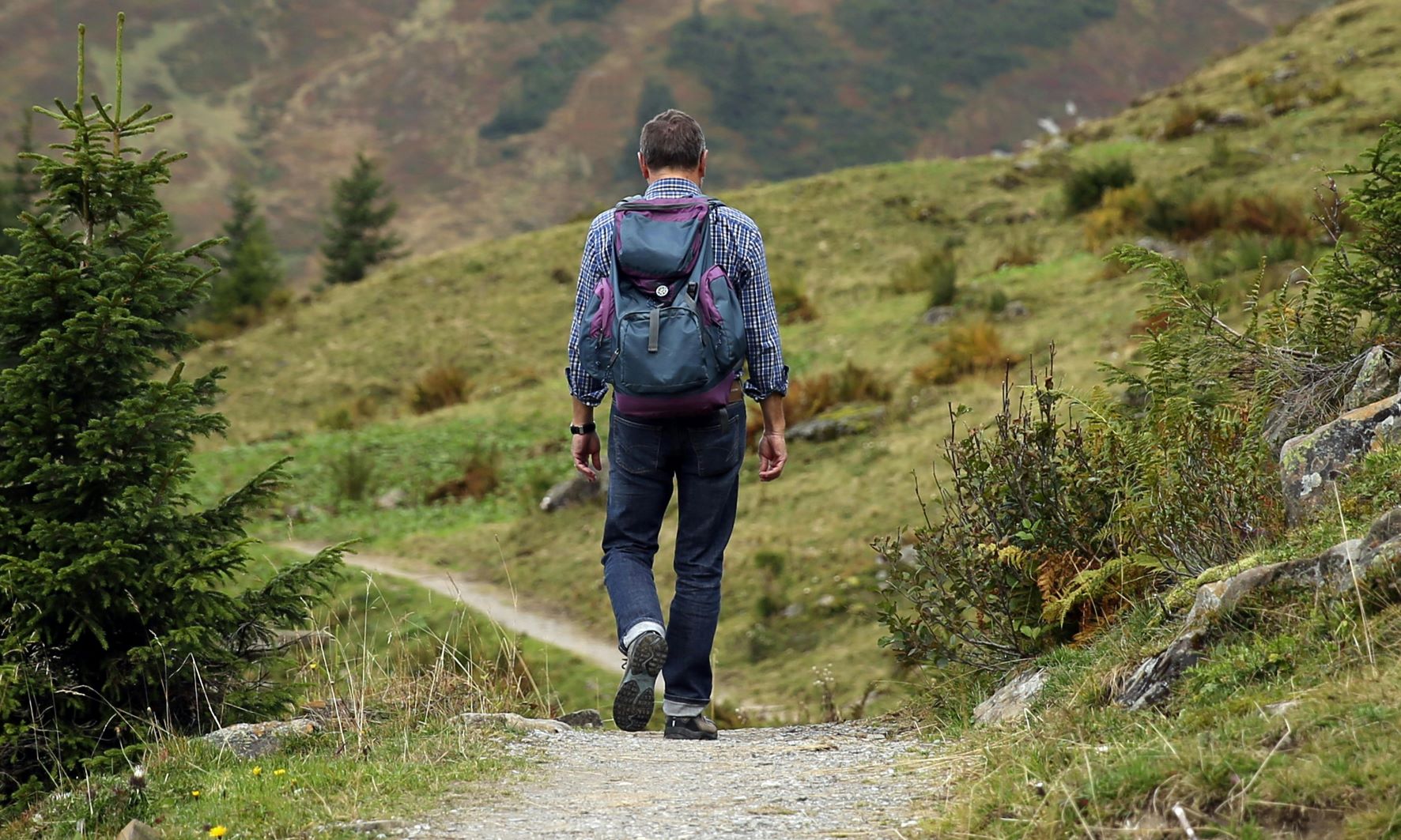
Parker, Arizona sits along the Colorado River and delivers exceptional hiking opportunities that combine desert landscapes with river canyon views. The area’s location in western Arizona provides year-round access to diverse trails ranging from easy riverside walks to challenging mountain climbs. Hikers can explore abandoned copper mines, spot wildlife along the Bill Williams River, and climb to overlooks that showcase the Colorado River winding through desert terrain.
The hiking around Parker AZ stands out because of its variety and accessibility. Buckskin Mountain State Park anchors the local trail system with over six miles of interconnected paths, while nearby trails like the Desert Bar and Copper Mines routes offer different experiences for various skill levels. Unlike many Arizona hiking destinations that close trails during extreme summer heat, Parker’s riverside location and early morning options keep trails accessible throughout the year. The combination of mountain, desert, and river ecosystems creates unique hiking experiences you won’t find in single-landscape destinations.
Why Parker’s Climate Makes It Perfect for Hiking
Parker’s weather patterns support hiking twelve months a year. Winter temperatures average 60-70°F during the day, making December through February ideal for longer, more strenuous hikes. Spring brings mild conditions and wildflower displays along many trails, particularly from February through April.
Summer hiking requires early starts, but the proximity to the Colorado River means you can hike in the morning and cool off in the water by midday. Fall offers some of the most comfortable conditions, with temperatures dropping back into the 70s and 80s. The area receives minimal rainfall, meaning trail conditions stay consistent and you rarely need to cancel hiking plans due to weather.
Temperature Advantages Throughout the Year
The low elevation around 400 feet keeps winter temperatures moderate compared to higher desert regions. This means you can hike comfortably in a light jacket during months when other Arizona destinations require heavy winter gear or face trail closures due to snow.
Buckskin Mountain State Park: Parker’s Premier Trail Network
Buckskin Mountain State Park serves as the anchor for Parker’s hiking scene. The park extends eastward into the scenic Buckskin Mountains and contains multiple trails that connect to form an extensive network. The trail system links Buckskin Mountain State Park with River Island State Park, creating options for short walks or full-day adventures.
The Lightning Bolt Trail starts near the park entrance and climbs steeply for a half-mile round trip. This trail rewards hikers with panoramic views of the Colorado River and the surrounding landscape. Despite its short distance, the elevation gain makes it a workout while remaining accessible for most fitness levels.
Popular Trails Within the Park System
Easy to Moderate Options:
- Buckskin Trail West: A 3.7-mile trail that showcases Colorado River vistas and desert terrain. This moderate hike offers the perfect balance of challenge and scenery, with well-maintained paths and regular elevation changes that keep the experience interesting.
- Lamb Springs Trail: Connects Buckskin Mountain with River Island State Park across 2.3 miles of backcountry. This trail provides a sense of remoteness as you move deeper into western Arizona desert, experiencing both mountainous sections and desert wash areas.
- River Island State Park Walk: An accessible option for families and those wanting a gentler experience, this trail offers river views without significant elevation gain.
Desert Bar Trail: For Experienced Hikers
The Desert Bar Trail presents Parker’s most challenging hiking option. This 9.8-mile route attracts experienced hikers and off-road enthusiasts looking for rugged terrain and significant elevation changes. The trail requires preparation, proper footwear, and plenty of water, but delivers rewarding views throughout the journey.
The path winds through rocky hills and diverse desert terrain, with sections that test your navigation skills and physical endurance. Many hikers consider this trail the ultimate Parker adventure, combining technical difficulty with stunning panoramic views of the surrounding landscapes.
What to Expect on the Desert Bar
The trail gains over 1,300 feet in elevation and takes you through varying desert ecosystems. You’ll encounter rocky sections, sandy washes, and steep climbs. The route eventually leads to the Desert Bar itself, a quirky off-the-grid establishment that has become part of the trail’s appeal. Plan 5-7 hours for the full hike depending on your pace and how long you rest at various viewpoints.
Copper Mines Trail: History Meets Hiking
The Copper Mines Trail offers something different: a 0.6-mile one-way hike that takes you past a series of abandoned copper mines. These fenced-off historical sites provide a window into Arizona’s mining past while the trail itself delivers beautiful scenery along the way.
The trail starts along Highway 95 before transitioning into more remote mountainous areas. You’ll gain fantastic Colorado River views before the path cuts into the backcountry. The mines themselves sit amid rugged terrain, creating an interesting contrast between human history and natural landscape.
Combining History and Natural Beauty
This shorter trail works well for families or as an add-on to longer hikes in the area. The mines are accessible for viewing but properly secured for safety. The 0.9-mile Interruption Point Trail connects to the Copper Mines route, creating opportunities to extend your hike if desired.
Bill Williams River Wildlife Refuge Trails
South of Parker, the Bill Williams River National Wildlife Refuge protects one of the last naturally regenerated cottonwood-willow forests along the Lower Colorado River. The refuge offers a different hiking experience focused on wildlife observation and riparian ecosystems.
The trails here wind through areas that showcase what this landscape looked like centuries ago. The 1.7-mile Bill Williams River Floodplain trail provides easy terrain and opportunities to spot migratory birds, native species, and diverse plant life. Bird watchers particularly appreciate this location during spring and fall migrations.
A Different Desert Experience
Unlike the rocky mountain trails around Buckskin Mountain State Park, these paths take you through lush riverside habitat. The tree canopy provides shade, making these trails comfortable even during warmer months. The refuge visitor center offers information about the best times for wildlife viewing and current trail conditions.
Trail Difficulty Levels and Accessibility Options
Parker’s trail system accommodates everyone from beginners to experienced backcountry hikers. Understanding the difficulty levels helps you choose appropriate routes for your group’s abilities and interests.
Trail Categories by Difficulty
Beginner-Friendly Trails:
- River Island State Park Walk: Mostly paved or well-packed surface, minimal elevation gain, suitable for strollers with all-terrain tires
- First 0.25 miles of Buckskin trails: Wheelchair accessible paved sections with river views
- Bill Williams River Floodplain: Easy 1.7 miles with gentle terrain and shade
Intermediate Options:
- Buckskin Trail West: 3.7 miles with moderate elevation gain and well-marked paths
- Lightning Bolt Trail: Short but steep, offering a quick workout with river views
- Copper Mines Trail: Less than a mile one-way with some elevation changes
Advanced Challenges:
- Desert Bar Trail: 9.8 miles with significant elevation gain and rugged terrain
- Black Mesa OHV Trail: Expansive views but requires navigation skills and endurance
- Full Buckskin Mountain to River Island connection: Over 6 miles of varied terrain
Planning Your Parker Hiking Adventure
Successful hiking in Parker requires some preparation. Water remains your most important consideration regardless of season. Carry more than you think you’ll need, especially on longer trails. The desert environment dehydrates you faster than you might expect, even in winter.
Sturdy hiking shoes protect your feet on rocky terrain. Many Parker trails include loose rocks, uneven surfaces, and occasional sandy sections. Sun protection matters year-round, with a hat, sunscreen, and sunglasses recommended for all hikes.
Where to Stay for Trail Access
JT’s On the Keys provides convenient motel accommodations just minutes from Buckskin Mountain State Park and other major trailheads. After a day on the trails, you’ll appreciate comfortable lodging close to the Colorado River. Book your stay at JT’s On the Keys to position yourself perfectly for exploring Parker’s hiking opportunities.
Check trail conditions at park ranger stations before heading out, especially if you’re planning longer backcountry hikes. Rangers can provide current information about trail maintenance, wildlife activity, and weather considerations.
The best hiking times vary by season. Winter and spring allow all-day hiking, while summer calls for early morning starts before 9 AM. Fall provides ideal conditions with comfortable temperatures and fewer crowds than peak winter months when snowbirds arrive in the area.